kallax
Mobile app for vinyl DJs. Sync your Discogs collection, track BPMs, build playlists, run live sets. Offline-first, local storage, no subscriptions. Designed for dark booths, professionals, and collectors who rely on manual curation.
A global music stream built on conviction, given freely to the world
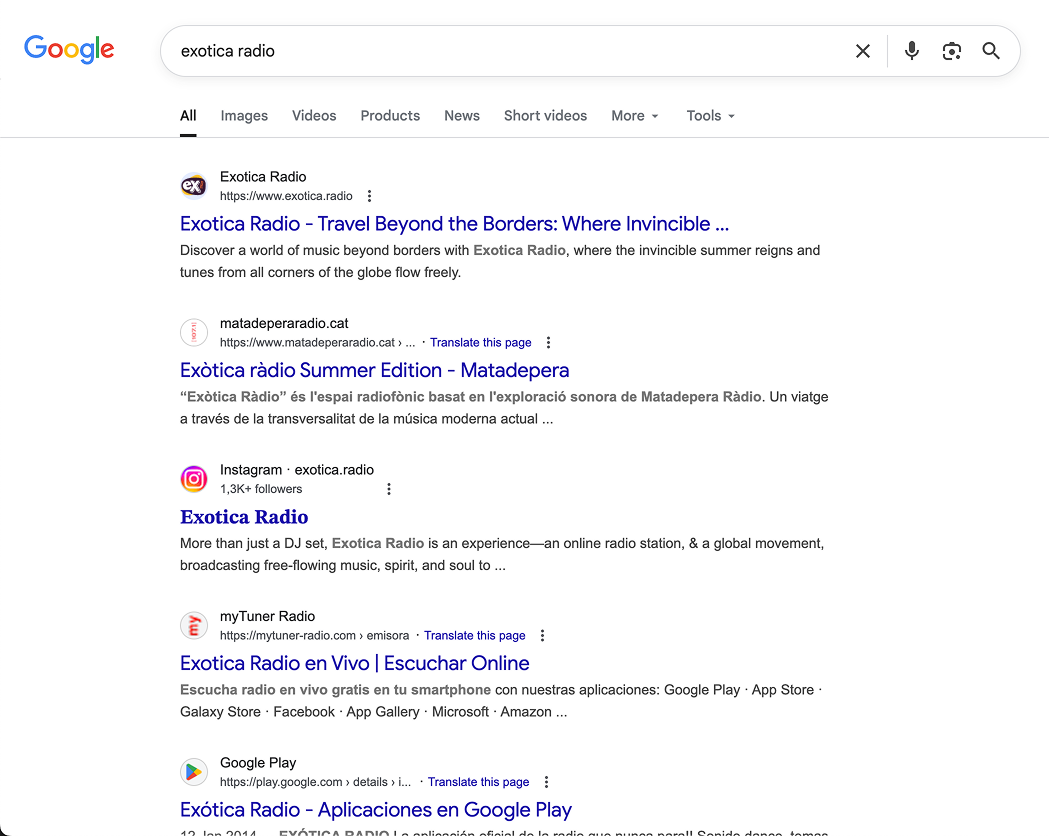
An independent internet radio station streaming my personal music collection 24/7. Built to share music on my own terms, now played worldwide. Ranks #1 on Google despite breaking every SEO convention.

To share my music collection with the world, freely and without compromise.
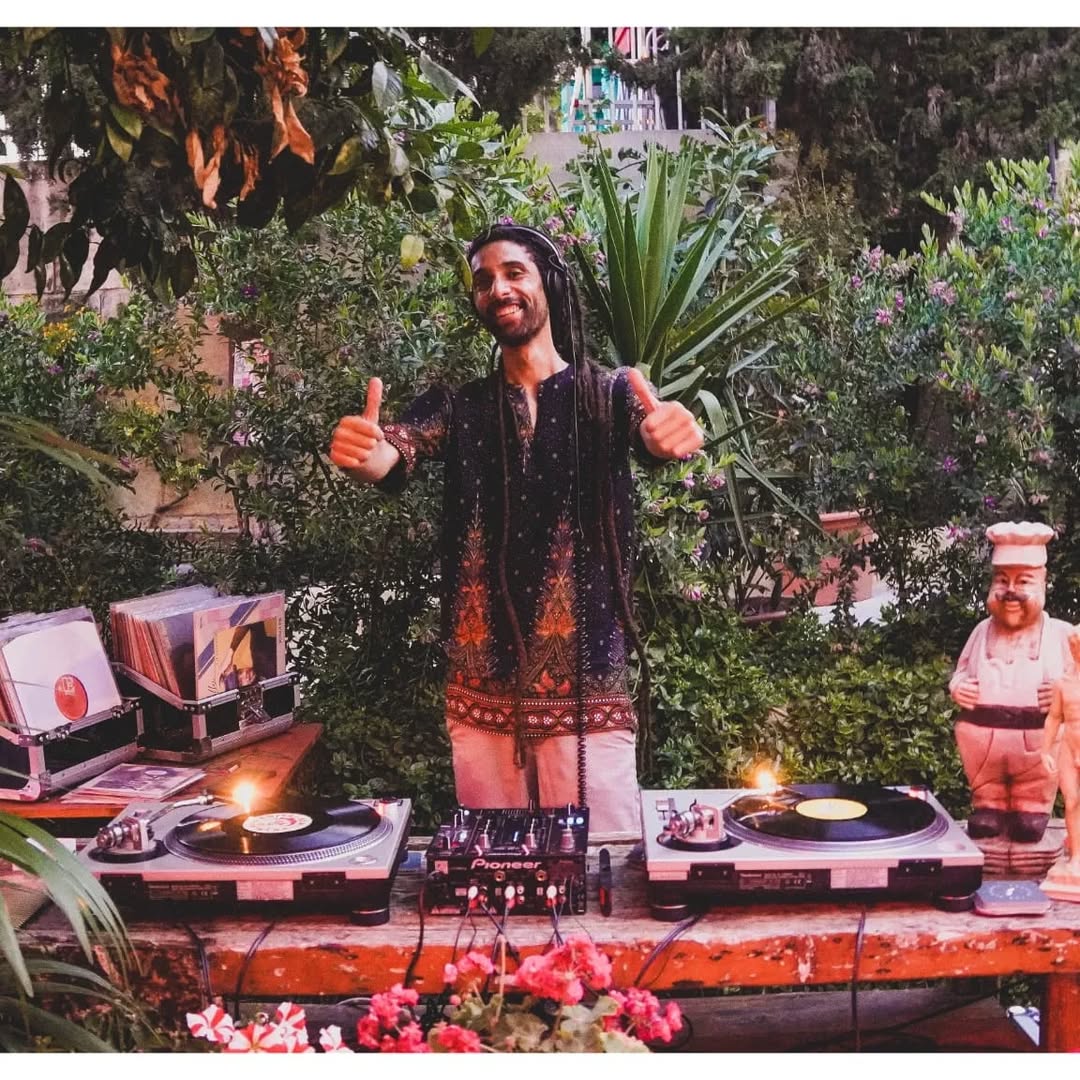
In 2017, promoters were asking for Spotify playlists but I couldn't find half the music I owned on vinyl. Worse, when I searched for what Spotify did have, my playlists barely surfaced despite having traffic. I started digging into why. What I found was a system built for major labels, not independent curators. Even dead artists were being monetised by corporations that had nothing to do with the music. I realised if I wanted to share music properly, I'd have to build the platform myself.
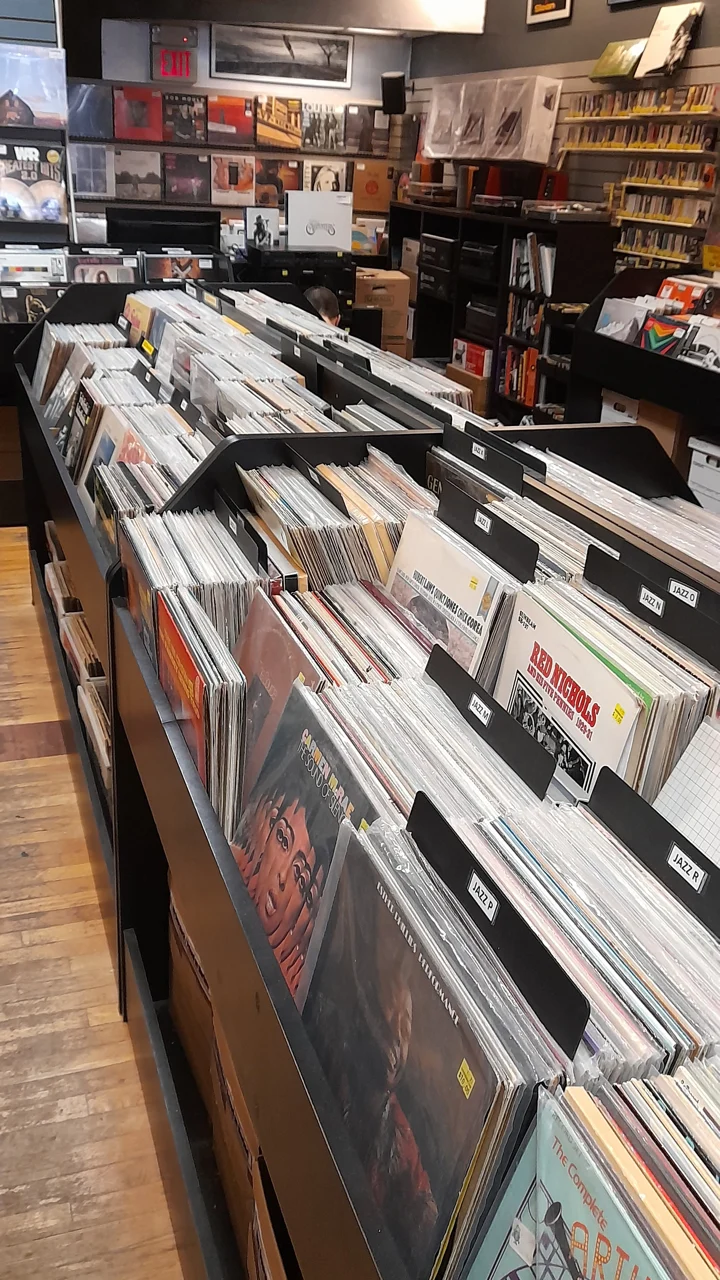
I travel constantly for work, for pleasure, and increasingly to dig for records. Every city has crates worth exploring. Over the years this turned into a collection that spans funk, disco, boogie, Afrobeat, bossa nova, space-age pop, and music from corners of the world most streaming services don't know exist. The collection outgrew any single playlist format.
Internet radio felt like the honest format. No algorithm deciding what gets heard. No royalty shell game. Just a stream, running 24/7, playing what I think sounds good together. The idea that someone in Tokyo and someone in Buenos Aires could be hearing the same obscure track at the same moment felt worth building.
Anyone who wants music that isn't fed to them by an algorithm. Coffee shops and bars that need a background vibe without ads. People who remember what radio used to feel like.
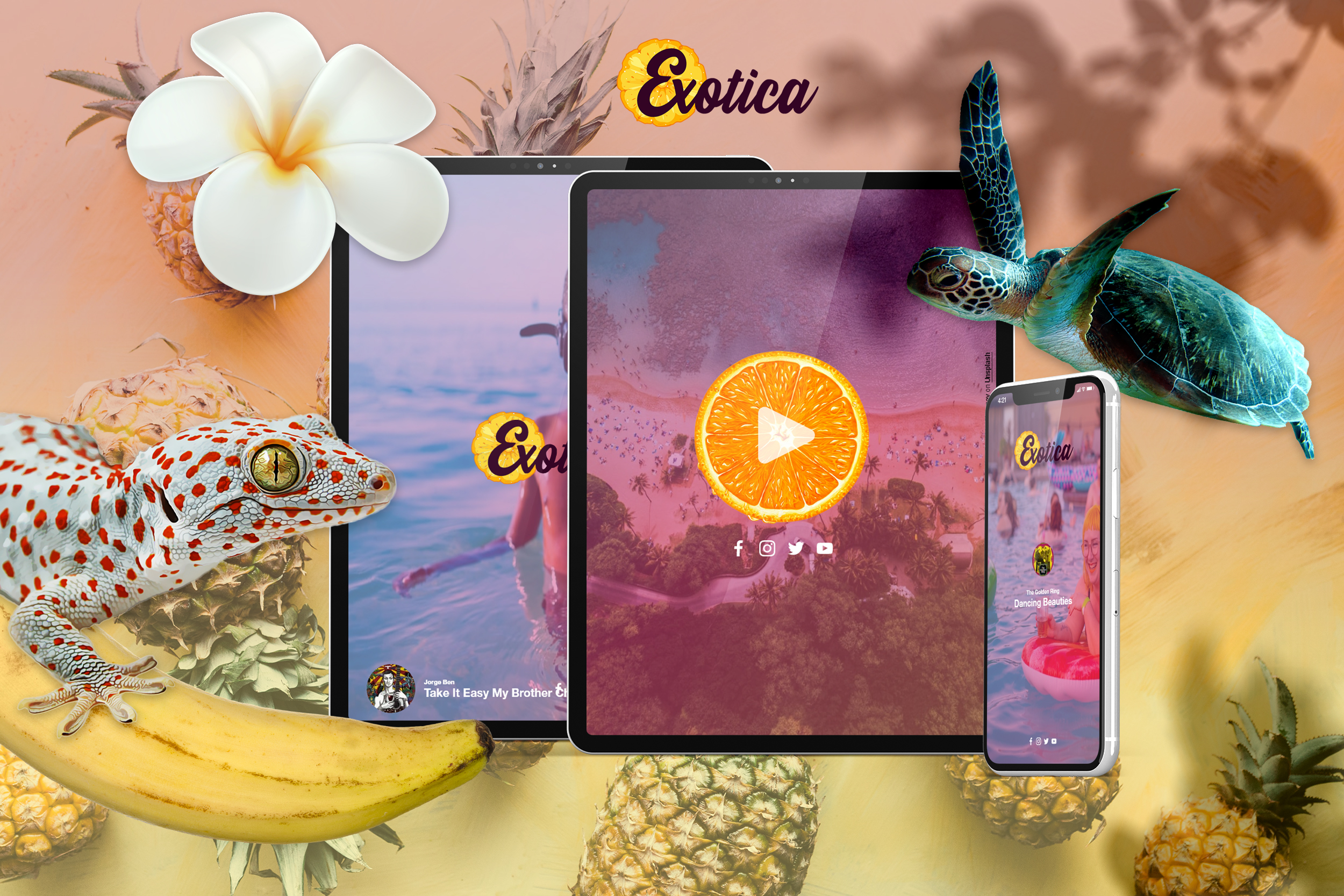
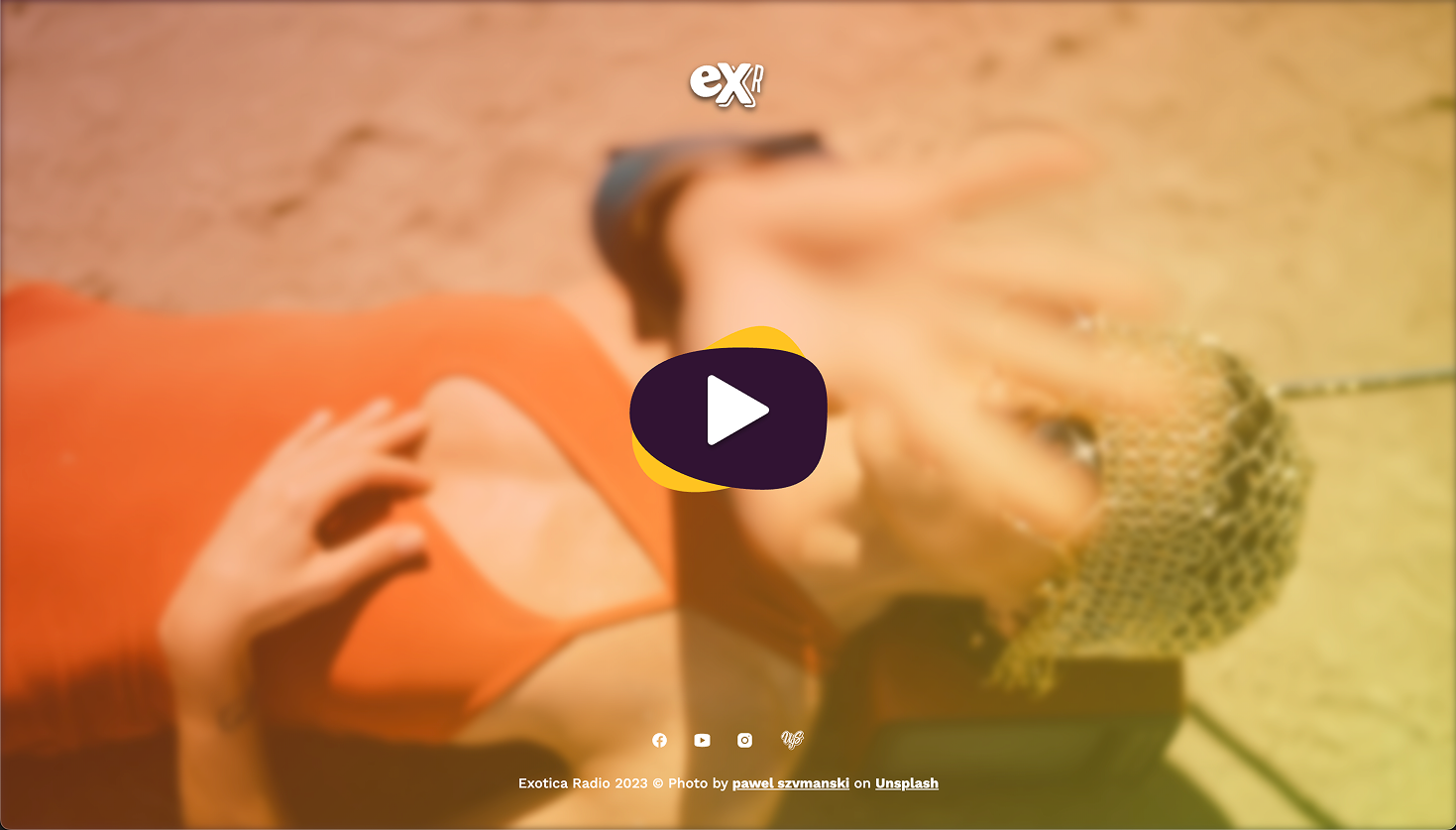
I wanted the site to be as simple as the idea: press play, hear music. No sign-ups, no trackers, no content marketing. Just a big play button over rotating images from Unsplash that evoke travel and distant places. Everything hand-coded: HTML, CSS, JavaScript hooked to a Shoutcast server. The backoffice is PHP, also hand-built, so I have complete control over the stream. All the branding, from the logo to the visual identity, is designed by me.
One page. One button. Background images rotate through curated photography from Unsplash, feeling of travel and discovery. No about page, no contact form, no text to scroll through. The music is the content.
The stream isn't random. I built a system that picks from genre-weighted crates and distributes tracks throughout the day. Office hours get medium energy and steady drive. Nights shift toward deeper cuts and higher intensity. It sounds human because the rules are based on how I'd actually DJ.
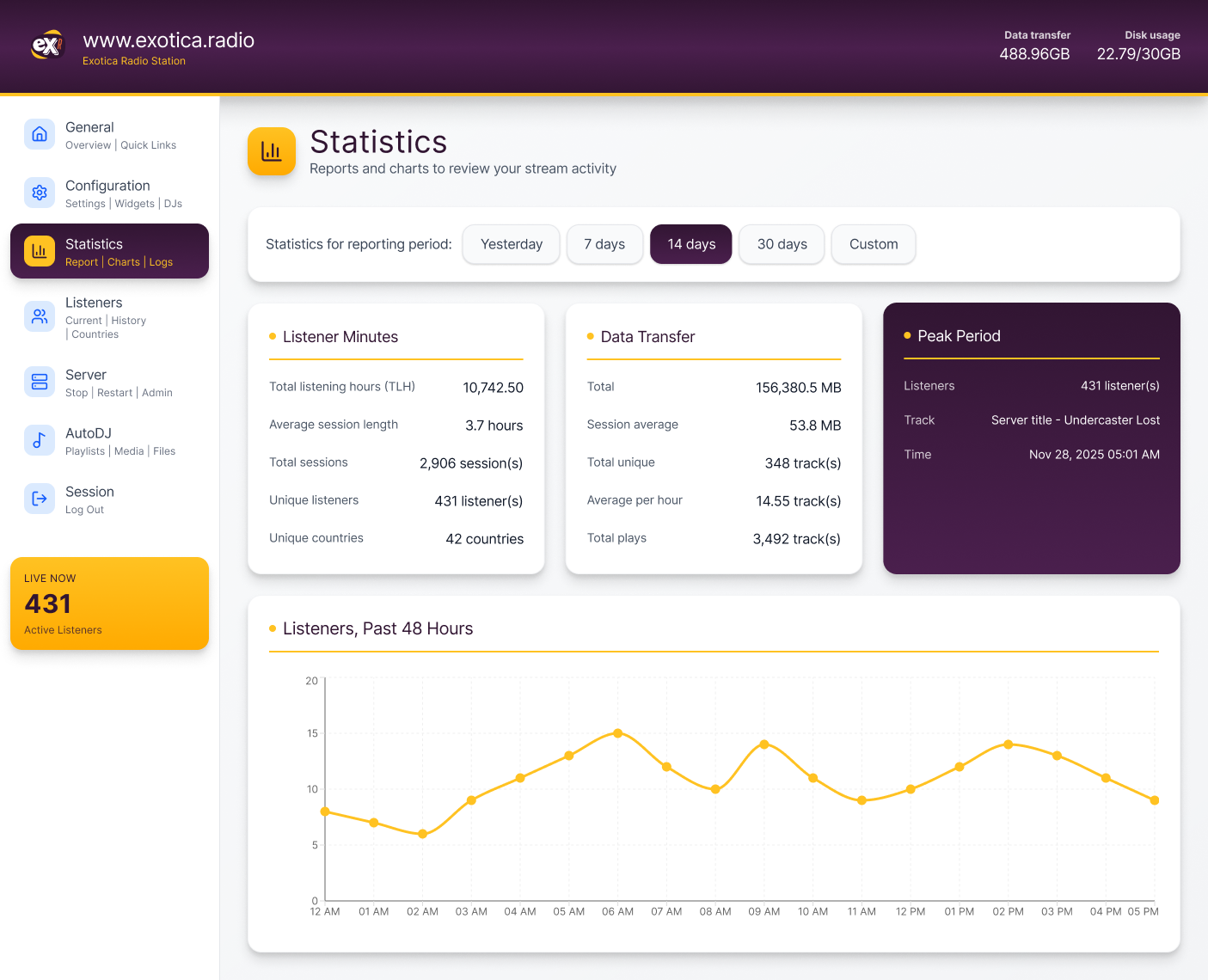
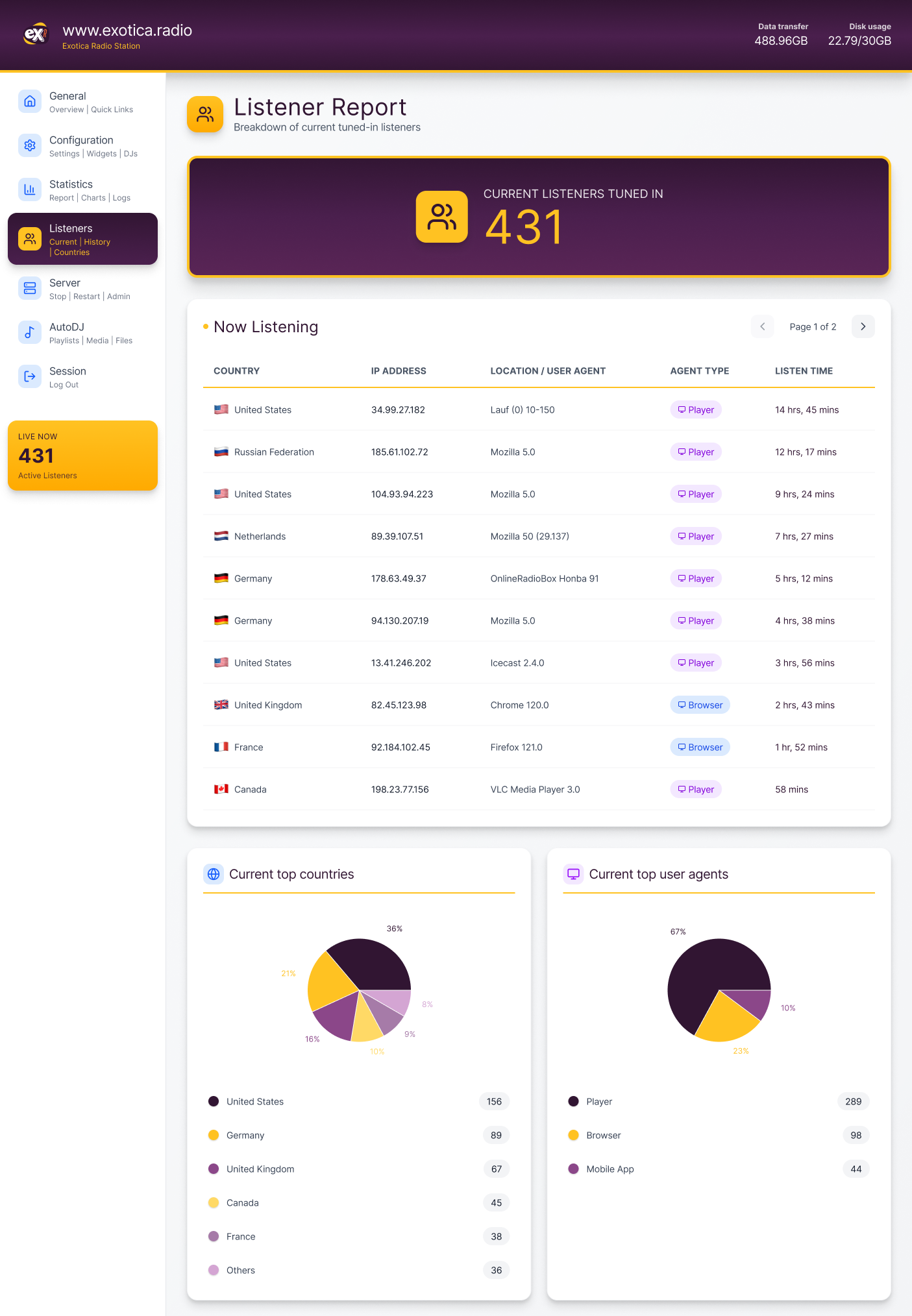
A PHP dashboard I built to monitor everything: current listeners, geographic spread, most-played tracks, peak times. The Shoutcast ASCI configuration feeds it all. Total control, no third-party analytics.


The hardest part was making 2,000+ tracks from wildly different genres sound cohesive. Funk into Afrobeat into space-age pop into Turkish psych. It can feel jarring if sequenced wrong. I spent months tweaking the weighting system, adjusting energy curves, and learning what transitions work. The solution wasn't technical, it was curatorial. I had to think like a DJ programming a radio station, not an engineer building a shuffle algorithm.

Exotica Radio ranks #1 on Google for "exotica radio", beating myTuner, Live365, AccuRadio, and every other aggregator. A single-page site with no text content, competing against platforms with thousands of pages and dedicated SEO teams. I still don't fully understand how, but eight years of consistency and a .radio domain probably helped.

The best SEO strategy turned out to be having no SEO strategy. Build something real, keep it running, and let the aggregators do the backlink work. Eight years of consistency beats any optimisation hack.

